
By Jamere King
Proverbs 28:13
“Whoever conceals his transgressions will not prosper, but he who confesses and forsakes them will obtain mercy.”
Shortly after getting my driver’s license, I received my first speeding ticket. After a good talk with my mom, I knew I was going to be in a lot of trouble if I received another one. Well, about 1–2 months later, on my way home from a friend’s house, I was ticketed again—this time for going 15 miles over the speed limit.
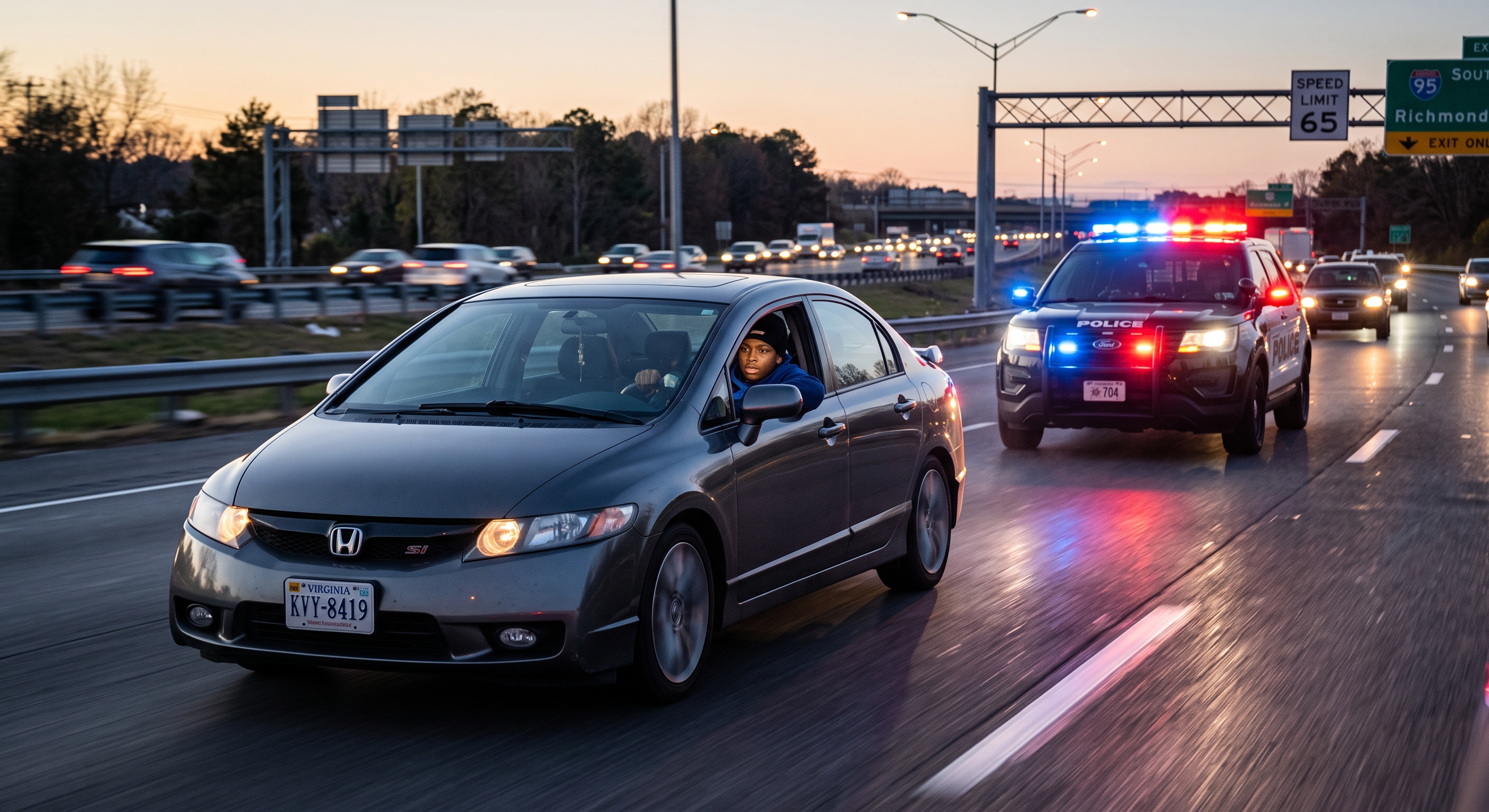
As a 16-year-old kid, I knew telling my mom the truth was the last thing I wanted to do. So instead of taking accountability, I devised a plan—with the help of my grandmother—to hide the ticket and the evidence. However, my “plan” didn’t work. It backfired. My mom eventually found out, and my punishment was much more severe because I had lied, attempted to cover it up, and refused to take accountability for my actions.
It’s true what they say: the cover-up is often worse than the crime.
There’s another person in Scripture who understood the temptation to conceal wrongdoing: David, the well-known king of Israel and author of many of the Psalms. Now, David’s sin was far more serious than my speeding ticket, but the instinct was the same: instead of confessing what he had done, he tried to cover it up.
While his troops were away at war, David committed adultery with Bathsheba, the wife of one of his soldiers, Uriah. When Bathsheba became pregnant, David began devising plans to conceal what he had done. When those plans failed, David eventually arranged for Uriah to be placed in the fiercest part of the battle and abandoned there to die.
One sin led to another. Lust led to adultery. Adultery led to deception. Deception ultimately led to murder.
David may have thought the evidence was buried and no one knew the truth. But God knew. God, who sees and knows all things, sent the prophet Nathan to confront David about his sin (2 Samuel 11–12).
David and I aren’t alone. We all have a little bit of Adam and Eve in us—the instinct to reach for our own “fig leaves” and hide when we’ve done wrong (Genesis 3:7).
So, what are you hiding from God and others? What do you need to confess?
Concealing sin doesn’t always mean literally hiding what we’ve done. Sometimes we excuse it by acting like it isn’t a big deal. Sometimes we blame others instead of taking accountability. And sometimes we simply rename it, using softer language to justify something God calls sin.
We may be able to conceal our sin from others for a time. We may even become good at lying to ourselves. But we can never conceal anything from our all-seeing God.
That’s what makes Proverbs 28:13 so powerful. God doesn’t simply call us to confess our sin—He calls us to confess and forsake it. Biblical confession isn’t merely admitting, “I did it.” It’s agreeing with God about our sin and turning away from it.
And here’s the good news: freedom isn’t found in becoming better at hiding our sin; it’s found in bringing it into the light.
Confession doesn’t always remove the earthly consequences of our actions. David confessed and was forgiven, yet he still experienced painful consequences. But God promises something far greater than escaping consequences: mercy.
The God who already knows everything we’ve done is also the God who invites us to come out of hiding. “If we confess our sins, he is faithful and just to forgive us our sins and to cleanse us from all unrighteousness” (1 John 1:9).
So ask yourself today:
What am I still trying to cover up that God is calling me to confess and forsake?
Read Psalm 51 — David’s prayer of repentance and plea for God’s mercy after his sin was brought into the light.
Leave a Reply