
One of the things I love about Jesus is that He used very common concepts to illustrate and reveal very “deep” principles of the Gospel. One of the concepts He used in His parables was the concepts of seeds.
In Matthew 13 Jesus teaches people about the Kingdom of God through three parables involving seeds: Parable of the Sower, Parable of the Weeds, and the Mustard Seed and Leaven (yeast).
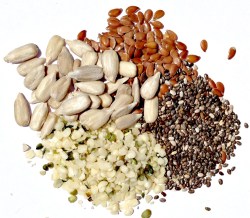 The people of that time lived in an agrarian society, so farming was a way of life. Everyone understood the idea of planting a seed in the ground and over time producing a crop. The crop you received depended on the type of seed you planted. Other factors involved are the soil, water, and sun. What’s amazing is the fact that on the surface, a seed looks dead, inanimate. But unlike rocks, under the right conditions, a seed will come alive and bare crops.
When we are dealing with an absent father, whether he is absent physically, emotionally or spiritually, many types of seeds are planted inside of us. Some common ones are:
- Anger/bitterness
- A lack of self worth
- A “driving” desire to be approved or accepted by others
- A false idea of God as our father
- No sense of God, at all
- A lack of discipline
- A lack of trust
- Selfishness
- Insecurity
There are many others. The problem is that these “seeds” are not dead; they are buried, but alive. Under the right conditions they will produce crops…over time, at different stages of our lives. The consequences of these crops are evident throughout our society:
- Overflowing prisons and jails
- Epidemic substance abuse problems
- Ignorance of and misconceptions of manhood
- Broken families and relationships
- A denial and/or disrespect for God and godly things
And the list goes on.
God, in His grace, has given us guidelines, principles and commands to combat the growth of “ugly crops” in our lives. I present some of these, not as a Biblical exercise, but as a transfer of information as to what worked in my life, and and associates over the years. These principles work. Why? They come from the Manufacturer, the One who created us and knows everything about us.
First of all, we need to address the most common and destructive seed: anger which stems from unforgiveness. As I stated in an earlier blog post, anger that stems from unforgiveness is like a cancer. If you address it early, then most of its toxic effects can be avoided. But if left “untreated”, unforgiveness will produce crops which will destroy not only your life, but the lives of others. Jesus says in Matthew 6:14 – 15, that if we forgive others, then God will forgive us. With respect to our absent fathers, the result could possibly lead to restored relationships. But most importantly, it will result in a restored, stronger fellowship with God.
To implement forgiveness, we have to “choose” to say:
“You do not have to repay me for the wrong you’ve done me, perceived or real.”
Make a choice to release them of the debt they owe you. Negative feelings will eventually subside. We are not to live based on our feelings. The process of forgiveness goes like this:
- Choice first; feelings later
- Internal change first; external changes later
- Internal peace first; external peace later
The seed of anger also leads to another crop: being hot tempered. People like this are unpleasant to be around and generally cause trouble in the lives of others around them as well as their own lives. Proverbs 15:18 says:
A hot-tempered man stirs up strife, but he who is slow to anger quiets contention. (ESV)
The Bible instructs us to strive for restoration and to live in peace with others. Then the God of love and peace will be with us. (2 Corinthians 13:11). Philippians 4:6 – 9 states:
…do not be anxious about anything, but in everything by prayer and supplication with thanksgiving let your requests be made known to God. And the peace of God, which surpasses all understanding, will guard your hearts and your minds in Christ Jesus.
Finally, brothers, whatever is true, whatever is honorable, whatever is just, whatever is pure, whatever is lovely, whatever is commendable, if there is any excellence, if there is anything worthy of praise, think about these things. What you have learned and received and heard and seen in me—practice these things, and the God of peace will be with you. (ESV)
Again, it starts with a choice…a choice to pray to God, with thanksgiving. Now you may be thinking:
“Lord, I’m actually mad at you. You could have made that man do right and save me and my family some grief. But You didn’t. So how can I be thankful to You. I don’t feel it.”
If this is you, that’s okay. God has heard it before. What He’s after is a relationship with you that is so deep, that others will want to know what you know about Him. As you choose to draw closer to Him in spite of your feelings, the very nature of that unity (peace) will change you internally so you can be a help to others. In the end God will receive the glory. That’s really what 2 Corinthians 1:3- 11 is all about. God comforts us so we can be a comfort to others.
So to keep the “ugly seeds” from producing “ugly crops” in our lives, we have to change the environment in which the seeds grow, your mind and your heart (the real you). That can only be done through unity (peace) with God. That can only occur through:
- Faith in Him and His Son
- Prayer, which involves two-way communication (not just you talking, but also listening)
- Reading and meditating on His Word
This process will transform us to the image of Christ…a likeness of Him.
One of my favorite passages (or maybe the one He’s trying to get me to truly understand) is Isaiah 55:8 – 13. In it God talks about His Word accomplishing the purpose for which He sent it. Also how good crops will grow instead of bad ones.
So some probing questions are:
What seeds are “cultivating” inside of you? What crops have you experienced? What seeds are you planting in the lives your family?
Be wise and understand that seeds of an absent father are not dead and buried, but alive. If left unattended, they will produce crops of destruction in your life. Also be wise and realize that the only true way to change the soil permanently is to “saturate the soil” in the Word of God, which is the foundation for unity (peace) with God. The solution is straight forward:
Will you choose to change the soil?
Remember, seeds, good or bad, are buried and alive.
 100 Days To A Better Life Through Proverbs
Leave a comment